Material Handling Systems: Improving Efficiency, Safety, and Productivity in Industries
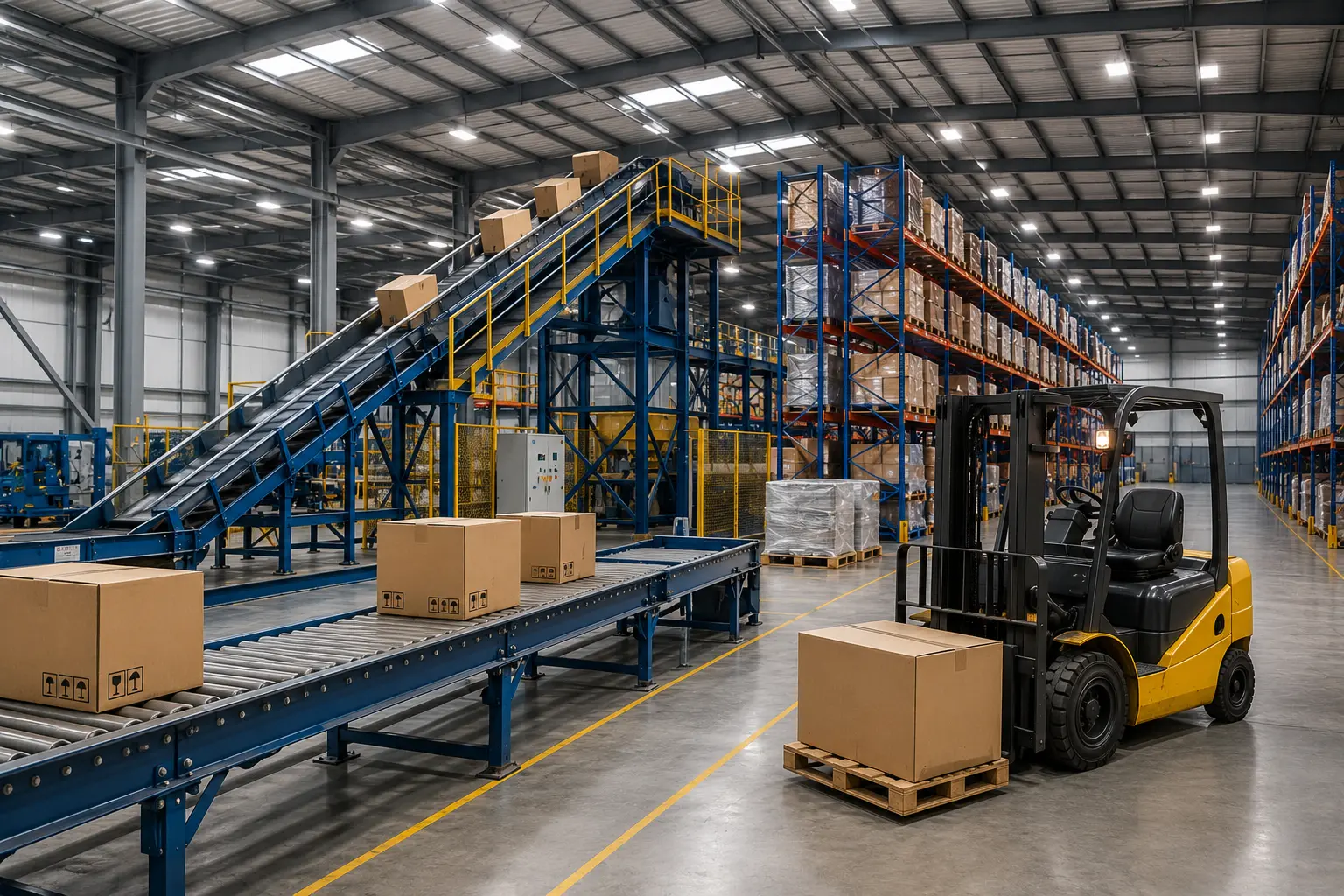
Modern industries depend on speed, accuracy, safety, and efficient movement of materials. Whether it is a manufacturing facility, warehouse, logistics centre, production plant, or distribution unit, moving goods from one point to another is an essential part of daily operations.
This is where material handling systems play an important role.
Material handling systems include equipment, processes, and technologies used to move, lift, store, position, transport, and control materials within an industrial facility. When properly designed, these systems can reduce manual effort, improve workplace safety, increase productivity, and support smoother operations.
For growing industries, investing in the right material handling solution is not just about moving products faster. It is about building an efficient and reliable workflow from receiving raw materials to dispatching finished goods.
What Are Material Handling Systems?
Material handling systems are designed to manage the movement, storage, protection, and control of materials throughout manufacturing, warehousing, and distribution processes.
These systems may be used for handling:
- Raw materials
- Components
- Pallets
- Finished products
- Heavy machinery
- Cartons and packages
- Industrial equipment
- Bulk materials
- Production supplies
- Warehouse inventory
Depending on the application, industries may use manual, semi-automatic, or automated material handling equipment.
The primary objective is to move materials safely and efficiently while minimizing unnecessary handling, delays, labour requirements, and operational risks.
Why Material Handling Systems Are Important in Industries
An efficient material handling process directly affects productivity.
Poor material movement can lead to delays, product damage, worker injuries, congestion, and increased operating costs.
1. Improves Operational Efficiency
Material handling equipment helps industries move goods faster and more systematically.
Instead of depending entirely on manual labour, businesses can use specialized equipment for lifting, transporting, positioning, and storing materials.
This helps reduce unnecessary movement and improves workflow between production areas.
2. Enhances Workplace Safety
Manual handling of heavy materials can increase the risk of injuries.
Lifting, carrying, pushing, or pulling heavy loads repeatedly may create safety challenges for workers.
Industrial material handling systems help reduce manual effort by using appropriate equipment for difficult or heavy tasks.
3. Increases Productivity
When materials reach the correct workstation at the correct time, production processes can run more smoothly.
Employees spend less time moving materials and more time performing productive tasks.
This can improve overall output and operational efficiency.
4. Reduces Material Damage
Improper handling can damage valuable goods, components, machinery, and finished products.
The right handling equipment provides better stability, control, and movement, reducing the chances of accidental product damage.
5. Optimizes Available Space
Warehouses and factories often have limited floor space.
Material handling systems can help businesses use vertical storage, organize inventory, and create better movement pathways.
Efficient storage and handling can therefore improve space utilization.
Types of Material Handling Equipment
Different industries require different types of equipment depending on load capacity, operating environment, movement distance, storage requirements, and application.
Hand Pallet Trucks
Hand pallet trucks are widely used for moving palletized goods over short distances.
They are simple, practical, and suitable for warehouses, retail facilities, loading areas, and industrial environments.
These trucks are commonly used where basic pallet movement is required without powered equipment.
Electric Pallet Trucks
Electric pallet trucks provide powered movement for palletized loads.
They reduce manual effort and are suitable for facilities where pallets need to be moved frequently.
They can help improve productivity in warehouses, manufacturing plants, and distribution centres.
Stackers
Industrial stackers are used for lifting and stacking palletized goods.
They can support material movement in facilities where products need to be placed on racks or elevated storage positions.
Depending on requirements, businesses may use manual, semi-electric, or fully electric stackers.
Forklifts
Forklifts are among the most common types of industrial material handling equipment.
They are used for lifting, transporting, loading, and unloading heavy materials.
Forklifts are widely used in:
- Warehouses
- Manufacturing plants
- Logistics centres
- Construction facilities
- Distribution centres
Different forklift configurations are available depending on load capacity and operating conditions.
Reach Trucks
Reach trucks are commonly used in warehouses with high racking systems and narrow aisles.
Their design allows operators to handle pallets at greater heights while maintaining efficient movement inside limited warehouse spaces.
They are particularly useful for maximizing vertical storage capacity.
Platform Trucks and Trolleys
Platform trucks and industrial trolleys help workers move cartons, components, tools, and materials across factory floors or warehouses.
They are especially useful for relatively light or medium-duty material movement.
How Material Handling Systems Improve Productivity
Material handling efficiency affects almost every part of industrial operations.
Consider a manufacturing facility where workers manually transport materials between different sections.
If employees spend significant time searching, lifting, moving, or repositioning materials, production efficiency can decrease.
A properly planned material handling system improves this process by creating a more structured movement flow.
Materials can be received, stored, transported to production, moved between workstations, and finally dispatched with fewer unnecessary handling steps.
This helps businesses achieve:
- Faster material movement
- Reduced production delays
- Better workflow
- Improved labour productivity
- Efficient warehouse operations
- Lower handling time
- Better inventory movement
The goal is to make material movement predictable, safe, and efficient.
Material Handling and Workplace Safety
Safety is one of the biggest reasons industries invest in appropriate material handling equipment.
Improper lifting and material movement can create risks such as:
- Back injuries
- Musculoskeletal strain
- Falling materials
- Collisions
- Product damage
- Equipment accidents
Using the correct equipment can significantly reduce unnecessary manual handling.
However, equipment alone is not enough.
Industries should also focus on:
- Operator training
- Load capacity limits
- Regular equipment inspections
- Clear warehouse pathways
- Proper load positioning
- Preventive maintenance
- Workplace safety procedures
A combination of suitable equipment and responsible operating practices provides better results.
How to Choose the Right Material Handling System
Selecting the correct equipment requires understanding the actual operating environment.
Understand the Load
Consider the weight, size, shape, and type of material that needs to be moved.
Heavy industrial machinery may require very different equipment compared with cartons or palletized consumer products.
Consider Movement Distance
Short-distance pallet movement may require a pallet truck, while larger facilities may benefit from powered material handling equipment.
Evaluate Lifting Height
If materials need to be placed on elevated racks, lifting height becomes an important factor.
Stackers, forklifts, or reach trucks may be more suitable for such applications.
Check Load Capacity
Every piece of material handling equipment has a specified load capacity.
Selecting equipment with the correct capacity is essential for performance and safety.
Understand the Operating Environment
Businesses should evaluate:
- Floor conditions
- Aisle width
- Indoor or outdoor usage
- Available turning space
- Rack height
- Operating hours
- Load frequency
These factors help determine which equipment will work best.
Benefits of Modern Material Handling Solutions
Modern material handling solutions can provide significant operational advantages.
Key benefits include:
- Reduced manual labour
- Improved workplace safety
- Faster material movement
- Better warehouse organization
- Improved inventory flow
- Reduced material damage
- Higher productivity
- Better utilization of floor space
- Reduced operational delays
- More efficient loading and unloading
For businesses handling large volumes of materials, even small improvements in movement efficiency can create meaningful long-term benefits.
Industries That Use Material Handling Systems
Material handling systems are used across many industries.
Common applications include:
- Automotive
- Manufacturing
- Warehousing
- Logistics
- E-commerce
- Engineering
- Pharmaceuticals
- Food processing
- FMCG
- Retail distribution
- Packaging
- Construction
- Chemical industries
- Industrial production
The right equipment depends on the specific workflow and material movement requirements of each industry.
Role of Automation in Material Handling
Industrial automation is gradually changing how materials are handled.
Modern facilities may use automated conveyors, warehouse management systems, sensors, automated guided vehicles, and other technologies to improve material movement.
Automation can support:
- Faster operations
- Real-time inventory tracking
- Reduced manual movement
- Better process consistency
- Improved warehouse efficiency
However, automation does not necessarily mean replacing every manual operation.
Many facilities use a combination of manual, powered, and automated equipment depending on their operational requirements and investment capacity.
Importance of Preventive Maintenance
Material handling equipment must operate reliably because equipment failure can interrupt production and warehouse operations.
Preventive maintenance should include regular checks of:
- Wheels
- Forks
- Hydraulic systems
- Batteries
- Brakes
- Controls
- Safety mechanisms
- Moving components
Regular maintenance can improve equipment reliability, reduce unexpected downtime, and extend service life.
Frequently Asked Questions
What is a material handling system?
A material handling system includes equipment and processes used to move, lift, transport, store, position, and control materials within industrial, warehouse, and production environments.
What are the main types of material handling equipment?
Common equipment includes pallet trucks, electric pallet trucks, stackers, forklifts, reach trucks, trolleys, platform trucks, conveyors, and other lifting and handling solutions.
How does material handling improve productivity?
Material handling equipment reduces unnecessary manual movement, speeds up material transportation, minimizes delays, and helps employees focus more effectively on productive activities.
How can material handling systems improve workplace safety?
They reduce the need for workers to manually lift or move heavy materials and provide more controlled methods for handling industrial loads.
Which industries need material handling equipment?
Manufacturing, logistics, automotive, warehouses, pharmaceuticals, construction, food processing, retail distribution, engineering, and many other industries use material handling equipment.
How do I choose the right material handling equipment?
Consider load capacity, material size, movement distance, lifting height, aisle width, operating environment, usage frequency, and available storage space before selecting equipment.
Conclusion
Efficient material movement is an essential part of modern industrial operations.
The right material handling systems can help businesses improve productivity, enhance workplace safety, reduce material damage, optimize warehouse space, and create more efficient workflows.
However, selecting the right equipment requires a clear understanding of load requirements, lifting height, operating conditions, warehouse design, and daily usage.
Bharat Air Technologies supports industries with practical material handling solutions designed to meet different operational requirements. From pallet movement and stacking to lifting and warehouse handling applications, choosing suitable equipment can help businesses build safer and more productive industrial environments.
Looking to improve material movement in your facility? Contact Bharat Air Technologies to discuss your material handling requirements and identify the right solution for your industrial operations.
RECENT BLOGS